Sweet Koji Sauce — Fermented Rice Sweetener

Regular price $26.00
( / )
Retail price. Pro trade pricing after login. Shipping calculated at checkout.

Please allow at least 1 week for order processing and shipping. This may vary depending on seasonality and stock situation. For full details, see our Shipping Policy.

One ingredient: rice koji, naturally fermented. No added sugar, no additives. A direct substitute for sugar or mirin — with depth refined sweeteners cannot match.

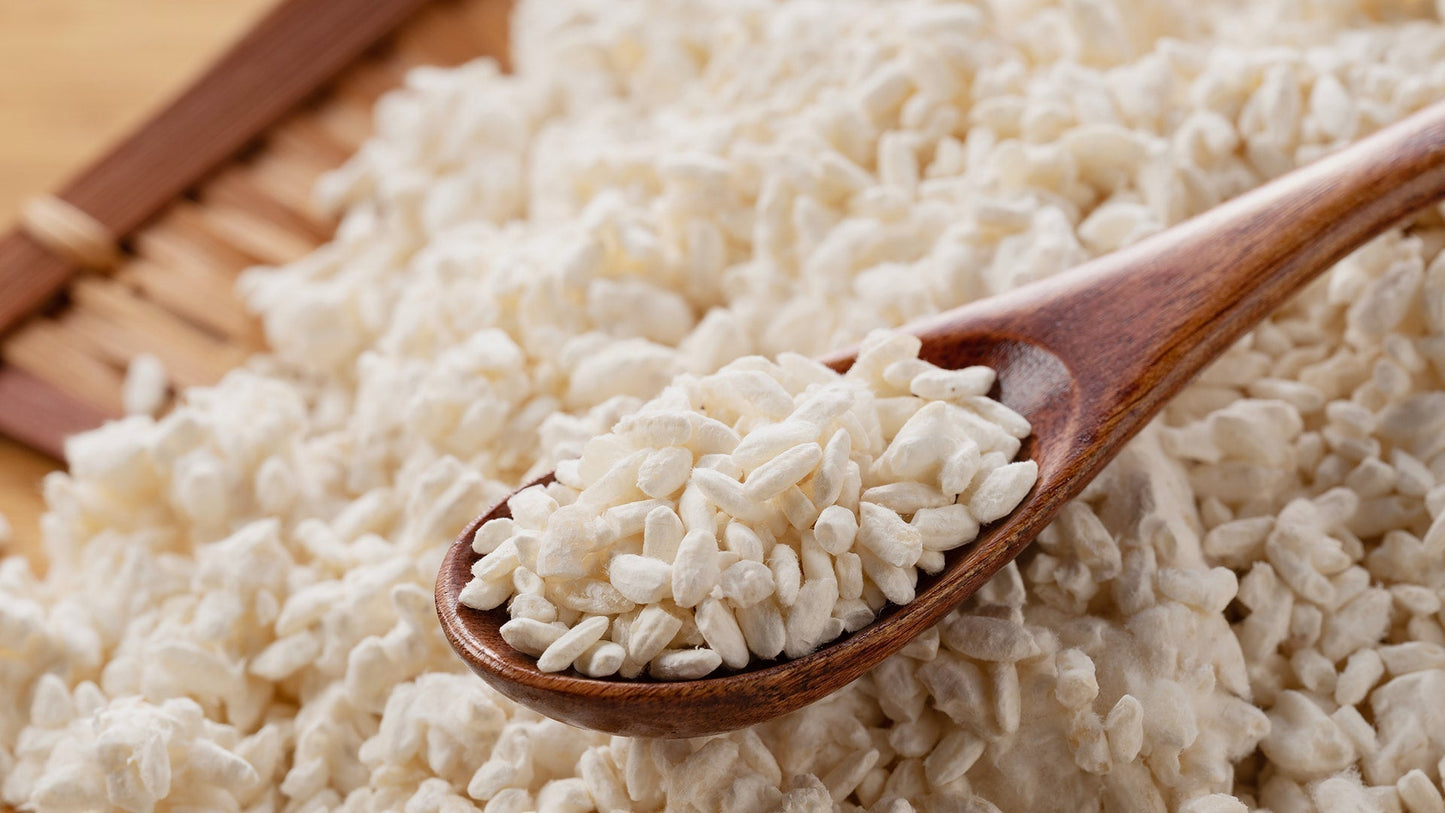
Sweet Koji Sauce is one ingredient: rice koji. Aspergillus oryzae — Japan’s national fermentation mold — converts rice starch into natural glucose and oligosaccharides, producing a syrupy sweetness layered with amino acids and B vitamins. It is the same fermentation process used to produce sake, miso, and mirin, expressed at its simplest.

The rice koji is produced in Tochigi Prefecture using traditional fermentation techniques. The rice is grown without the use of pesticides or chemical fertilizers. No additives of any kind.

ORYZAE, the Japanese producer behind the sauce, named their company after Aspergillus oryzae and built their product line on a single premise: that koji fermentation is one of the purest expressions of Japanese food culture, and that a sweetener should do more than add sweetness.

Use it wherever a recipe calls for sugar, mirin, or simple syrup. The fermentation adds amino acid depth and a round, mild sweetness that refined sugar can’t easily match. Because the sweetness is gentle rather than sharp, it integrates rather than dominates.

Ayako, Umami Curator at The House of Umami, carries Sweet Koji Sauce alongside the Shio Koji and Shoyu Koji from the same producer — three faces of the same fermentation, each designed to replace a different category of seasoning. Sweet Koji is the one that reimagines the role of sugar.

Rice koji (Japan). No additives.

Manufactured in a facility that also processes soybeans.

No added sugar. No preservatives. No artificial color.

**Serving Size:** 15g

**Calories:** 33
**Total Fat:** 0g
**Total Carbohydrate:** 7.8g
**Sodium:** 8mg
**Protein:** 0.4g

**Total Sugars and Dietary Fiber not independently tested; omitted rather than estimated.*

6.3 oz (180g) — Single · Sets of 2
17.6 oz (500g) — Single · Sets of 6
17.6 oz (500g) is available to professional buyers only.

For orders of 12 units or more, please contact us.

Sweet Koji Sauce is a direct substitute for sugar, mirin, or simple syrup. Spoon it in as you would any liquid sweetener — no preparation required.

The sweetness is rounder and more restrained than refined sugar. Compared to mirin, it contributes sweetness without alcohol or added preservatives. The amino acids from fermentation create a savory undertone that makes it especially effective in marinades and glazes, where it also helps promote even caramelization.

#Why Chefs are Using Koji
Fermented ingredients are one of the defining trends in Michelin-level cooking right now. MICHELIN Guide Inspectors named preserved and fermented flavors as a top dining trend for 2026. Koji specifically has been highlighted by chefs including René Redzepi for its umami depth. Live-fire cooking — over binchotan, wood, and embers — is the other defining trend. Koji marinades develop rich caramelization over high heat, making this sauce a natural fit for charcoal-grilled applications.

#Pairing notes
Fatty proteins and dairy: the amino acid depth integrates cleanly into butter, cream, and braised preparations. Acidic ingredients — citrus, vinegar, and miso — provide balance without overpowering its sweetness. Grains, legumes, and root vegetables absorb it well.

#Application by dish
・**Marinades for live-fire and binchotan cooking:** brush onto chicken, pork, salmon, or whole fish before grilling over charcoal — natural sugars encourage caramelization, while amino acids build an even, deep crust. Apply about 30 minutes before fire.
・**Teriyaki and tare:** base note sweetness for any Japanese-style glaze; the fermented depth reads as natural umami without the sharpness of refined sugar
・**Pan sauces and deglazing:** deglaze with sake or dashi, add a spoonful off-heat to round out acidity and add gloss
・**Beurre blanc and cream sauces:** stir in a small amount to balance acidity and add a savory undertone; works well with miso-washed butter preparations
・**Plant-forward dishes:** fold into glazes for roasted root vegetables, winter squash, and legumes — the amino acid depth adds richness even in dishes without animal fats.
・**Dressings and vinaigrettes:** dissolve into sesame oil, ponzu, rice vinegar, or citrus-based dressings in place of sugar or honey
・**Desserts:** use in panna cotta, custards, crème brûlée, ice cream bases, and ganache — adds depth without competing flavor
・**Baked goods:** replace sugar in financiers, madeleines, or shortbread — contributes Maillard browning and a clean, savory-sweet note
・**Egg dishes (tamagoyaki, chawanmushi, omelette):** add to the egg mixture for natural sweetness and even color; finish chawanmushi tableside
・**Cocktails and fermented beverages:** stir into sake cocktails, miso-washed spirits, or fermented-base beverages; use as amazake-style drink when diluted 1:2 with hot water
・**Yogurt and soft cheese:** spoon over plain yogurt, labneh, or burrata as a finishing sweetener
・**Fruit preparations:** use in compotes, tarts, or coulis to round out acidity without sharpening it

**Substitution ratio: use the same volume as sugar or mirin. The sweetness is slightly milder — adjust to taste.*

**For high-heat applications, watch carefully: the natural sugars brown faster than refined sugar.*


Store in a cool, dry place away from direct sunlight.
Refrigerate after opening. Consume as soon as possible once opened to preserve peak flavor and aroma.

**Best before:** 12 months from the production date. No preservatives or additives — shelf life maintained naturally through fermentation.

*Note: the sauce may darken slightly over time due to natural Maillard-type reactions. This does not affect quality or safety.*

#Is Sweet Koji Sauce the same as amazake?
Yes — Sweet Koji Sauce is essentially concentrated amazake: rice koji fermented until the starches convert into natural sugars. The sauce format is thicker than drinking-style amazake, built for use as a seasoning rather than a beverage.

#Does it contain alcohol?
No. Unlike sake or mirin, which also begin as koji fermentation, Sweet Koji Sauce never enters an alcohol-producing stage. It’s 0% ABV.

#Is it vegan and gluten-free?
Yes. The only ingredient is rice koji — no animal products, no wheat. Manufactured in a facility that also processes soybeans.

#How much should I use to replace sugar?
Start with a 1:1 substitution by volume, then adjust to taste. The sweetness is milder and rounder than refined sugar, so some cooks use slightly more.

#What’s the difference between Sweet Koji Sauce and mirin?
Mirin is a fermented rice wine that carries alcohol (or alcohol-style seasoning); Sweet Koji Sauce carries neither alcohol nor added sugar. Mirin contributes gloss and wine-like depth; Sweet Koji Sauce contributes a more direct sweetness with amino acid depth. Both work in glazes and marinades, but the flavor profile differs.

#Does it need refrigeration?
Not before opening — store in a cool, dry place. After opening, refrigerate and use promptly to preserve peak flavor.

#Why did the sauce turn a darker color?
This is a natural Maillard-type reaction between the sauce’s sugars and amino acids over time. It doesn’t affect quality or safety.

#Can I use it in savory cooking, not just desserts?
Yes — the amino acid depth from fermentation makes it effective in marinades, glazes, pan sauces, and braises, not only in sweets.