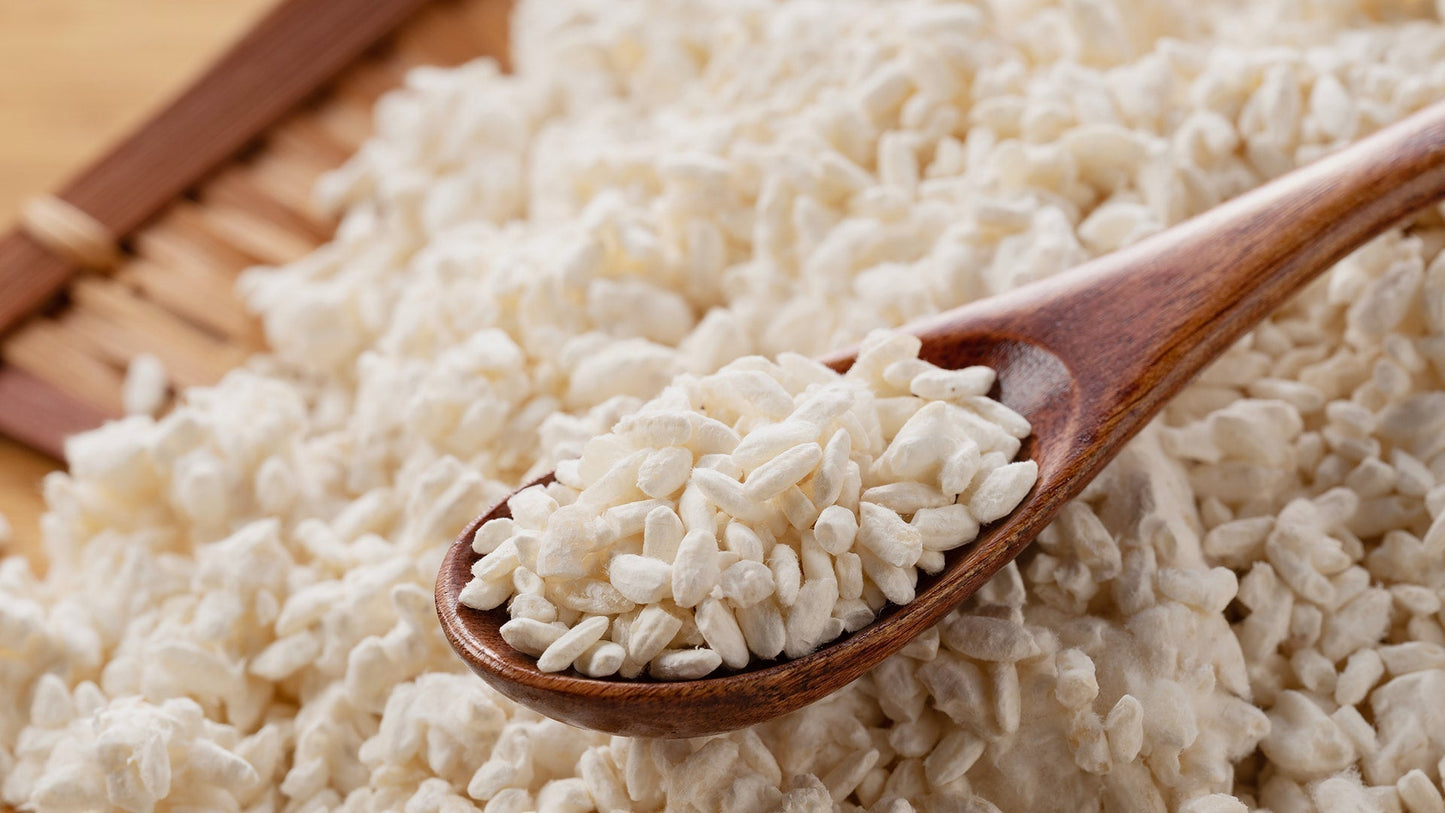
Sweet Koji Sauce is a direct substitute for sugar, mirin, or simple syrup. Spoon it in as you would any liquid sweetener — no preparation required.
The sweetness is rounder and more restrained than refined sugar. Compared to mirin, it contributes sweetness without alcohol or added preservatives. The amino acids from fermentation create a savory undertone that makes it especially effective in marinades and glazes, where it also helps promote even caramelization.
#Why Chefs are Using Koji
Fermented ingredients are one of the defining trends in Michelin-level cooking right now. MICHELIN Guide Inspectors named preserved and fermented flavors as a top dining trend for 2026. Koji specifically has been highlighted by chefs including René Redzepi for its umami depth. Live-fire cooking — over binchotan, wood, and embers — is the other defining trend. Koji marinades develop rich caramelization over high heat, making this sauce a natural fit for charcoal-grilled applications.
#Pairing notes
Fatty proteins and dairy: the amino acid depth integrates cleanly into butter, cream, and braised preparations. Acidic ingredients — citrus, vinegar, and miso — provide balance without overpowering its sweetness. Grains, legumes, and root vegetables absorb it well.
#Application by dish
・**Marinades for live-fire and binchotan cooking:** brush onto chicken, pork, salmon, or whole fish before grilling over charcoal — natural sugars encourage caramelization, while amino acids build an even, deep crust. Apply about 30 minutes before fire.
・**Teriyaki and tare:** base note sweetness for any Japanese-style glaze; the fermented depth reads as natural umami without the sharpness of refined sugar
・**Pan sauces and deglazing:** deglaze with sake or dashi, add a spoonful off-heat to round out acidity and add gloss
・**Beurre blanc and cream sauces:** stir in a small amount to balance acidity and add a savory undertone; works well with miso-washed butter preparations
・**Plant-forward dishes:** fold into glazes for roasted root vegetables, winter squash, and legumes — the amino acid depth adds richness even in dishes without animal fats.
・**Dressings and vinaigrettes:** dissolve into sesame oil, ponzu, rice vinegar, or citrus-based dressings in place of sugar or honey
・**Desserts:** use in panna cotta, custards, crème brûlée, ice cream bases, and ganache — adds depth without competing flavor
・**Baked goods:** replace sugar in financiers, madeleines, or shortbread — contributes Maillard browning and a clean, savory-sweet note
・**Egg dishes (tamagoyaki, chawanmushi, omelette):** add to the egg mixture for natural sweetness and even color; finish chawanmushi tableside
・**Cocktails and fermented beverages:** stir into sake cocktails, miso-washed spirits, or fermented-base beverages; use as amazake-style drink when diluted 1:2 with hot water
・**Yogurt and soft cheese:** spoon over plain yogurt, labneh, or burrata as a finishing sweetener
・**Fruit preparations:** use in compotes, tarts, or coulis to round out acidity without sharpening it
**Substitution ratio: use the same volume as sugar or mirin. The sweetness is slightly milder — adjust to taste.*
**For high-heat applications, watch carefully: the natural sugars brown faster than refined sugar.*